Diplomatic Maneuvers Around Ending the War: Positions of the US, Europe, and Ukraine
The Donald Trump administration aims to finalize peace negotiations regarding Ukraine by January 2027, but European leaders oppose ideas of a new geopolitical division of spheres of influence.
 🇺🇦Ukraine
Photo: TSN
Key points
- US aims to conclude negotiations by January 2027
- Europe rejects the idea of a new division of spheres of influence
- Zelenskyy demands real security guarantees
- China distanced itself from Russian ambitions at the summit
The administration of US President Donald Trump has intensified efforts to reach a peace agreement between Ukraine and Russia by early January 2027. Washington is considering providing security guarantees modeled after NATO's Article 5, although the specifics of these commitments, particularly the question of the presence of American troops, remain uncertain.
Kyiv's Stance and Europe's Reaction
President Volodymyr Zelenskyy has emphasized the need for long-term and tangible security guarantees that do not depend on the terms of individual leaders. Meanwhile, in Berlin, German Chancellor Friedrich Merz held a meeting of leaders from 30 European countries, where they clearly expressed opposition to the "Yalta-2" concept—attempts by major powers to divide the world without the participation of the European nations themselves.
Discussions intensified following the summit in China, where Donald Trump, Xi Jinping, and Vladimir Putin met. Despite Moscow's hopes for a new distribution of influence, the summit's final declaration contained no agreements regarding Ukraine, and protocol details indicated a decline in Russia's diplomatic status in the eyes of Beijing.
Despite the uncertainty surrounding peace initiatives, international partners continue to support Ukraine. Following the latest Ramstein-format meeting, new aid packages were announced, aimed at strengthening air defense and bolstering the state's defensive capabilities.
Source TSN — tsn.ua/exclusive/tramp-khoche-zavershyty-viynu-do-sichnia-ale-yevropa-v… ↗
Read next
 💡Tech
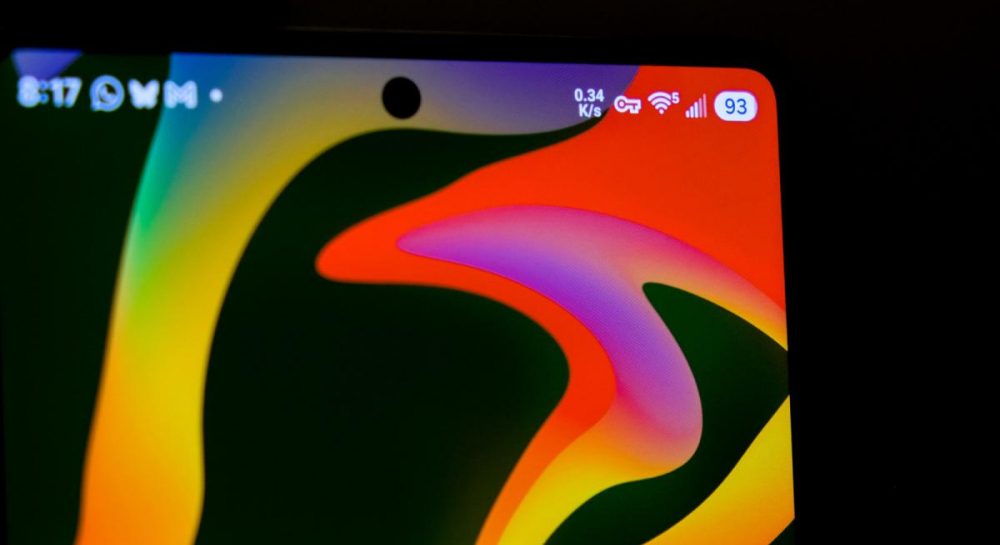
Key Icon on Android Smartphone Screen: What This Symbol Means and How to Remove It
A small key icon in the Android status bar indicates that an active VPN service is running, encrypting the user's internet traffic and hiding their real IP address.
 🎭Culture & Sport
The Return of a Legendary Rivalry: Review of 'Meet the Fockers 3'
After a 16-year hiatus, the cult comedy franchise returns with a new installment focusing on the Focker and Burns families.
 🏛️Politics
EU Commission Responds to Putin's Moscow Invitation: Multilateral Format Remains Priority
Brussels confirmed awareness of the Kremlin's initiative but emphasizes the need for involving all allies and coordinating with the US.
 🏛️Politics
Editors Over Verdicts: SAP Prosecutor Praises NABU Media Team Amid Evidence Quality Concerns
SAP prosecutor Rostyslav Batig responded to criticisms of NABU's weak evidence by highlighting the high professionalism of the bureau's video editing and media staff.
 🏛️Politics
Kremlin Manipulates 'Humanitarian Operation' Rhetoric in Kostiantynivka Amid Naval Losses
Kremlin spokesperson Dmitry Peskov addressed strikes on Russian vessels in Libya and the Baltic, while criticizing Ukraine for rejecting a proposed 'humanitarian operatio…
 ⚽Sport
Carlos Alcaraz Triumphs at ATP Finals: Analysis of Dominance and Rising Stars
Spanish tennis star Carlos Alcaraz confirmed his elite status by winning the ATP Finals undefeated, showcasing resilience despite physical challenges.